Brand marketing strategy inspired by creators and social media content

Why Your Brand Needs to Think Like a Creator

The internet has changed the way people discover brands.

A few years ago, brands could rely on polished campaigns, big productions and carefully planned advertisements to capture attention. Today, consumers are scrolling past traditional advertising and stopping for something that feels more immediate, relatable and human.

This is where creators have changed the game.

Creators understand attention. They know how to turn an everyday moment into a story, a thought into a conversation and a product into something people actually want to talk about. They do not simply create content. They build communities around personalities, perspectives and shared interests.

For brands, this presents a bigger opportunity than simply collaborating with influencers.

Brands need to start thinking like creators.

That does not mean every brand needs to become an influencer. It means adopting the mindset that makes creator content effective: being culturally relevant, experimenting quickly, understanding your audience and creating content people genuinely want to consume.

What Does It Mean for a Brand to Think Like a Creator?

Thinking like a creator means moving from “What do we want to say?” to “What does our audience want to see, share or talk about?”
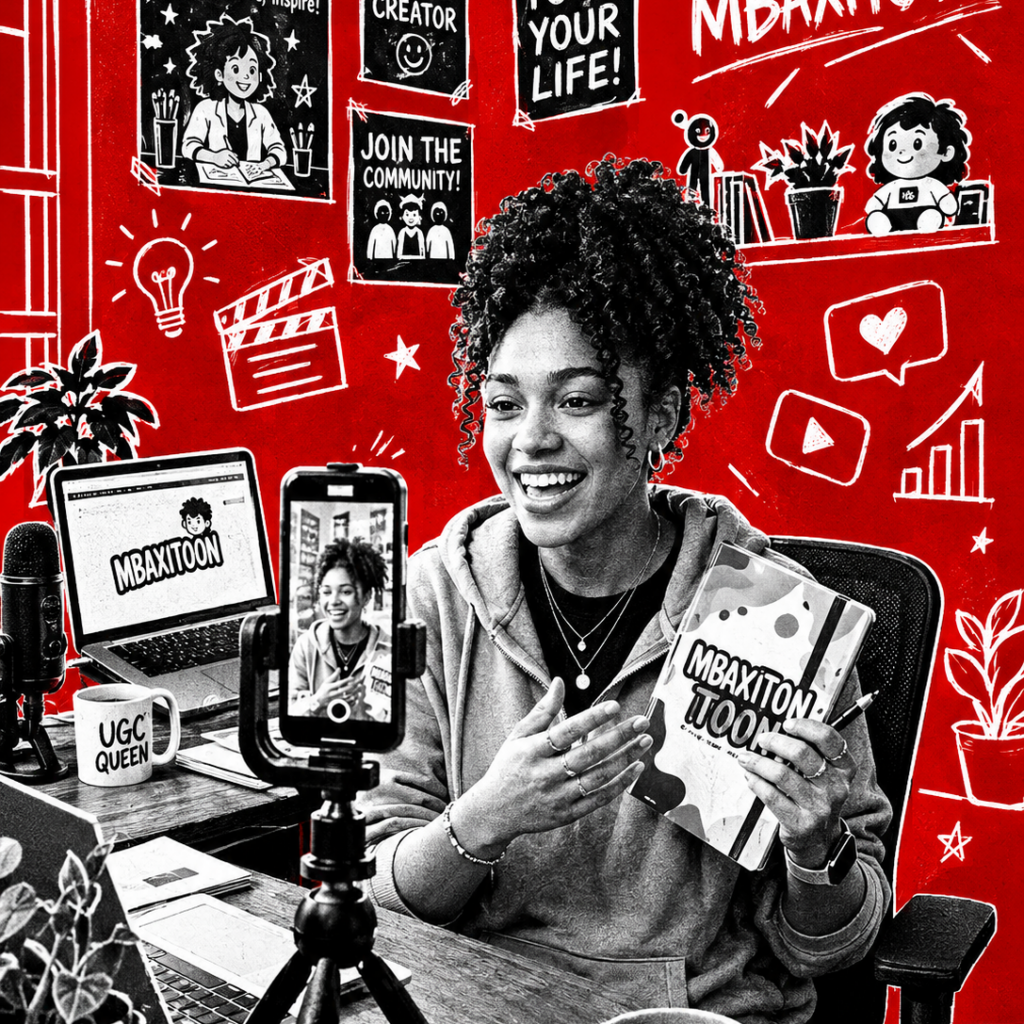
ChatGPT Image Sep 10, 2026, 02 03 27 PM

Traditional brand communication often starts with the product.

Creator-led communication often starts with the audience.

Instead of asking:

“How do we advertise this product?”

A creator mindset asks:

“What story can we tell around this product that people will actually care about?”

That shift can completely change how a brand approaches social media marketing.

A creator thinks about:

  • What is happening in culture right now?
  • What conversations are people having?
  • What formats are performing?
  • What would make someone stop scrolling?
  • What would make someone share this with a friend?
  • How can we make this feel native to the platform?
  • What can we test today instead of waiting weeks for approval?

For brands competing for attention in crowded digital spaces, these questions are becoming increasingly important.

Why Creator Thinking Matters for Brands

Social media is no longer just a distribution channel for advertising.

It is a place where people discover products, search for information, follow trends, build communities and make purchasing decisions.

This has made the quality of a brand’s content just as important as the quality of its product.

A beautifully produced advertisement may still struggle if it feels disconnected from the way people naturally consume content online.

Creators, on the other hand, have spent years learning how to communicate within these environments.

They understand the language of platforms.

They understand pacing.

They understand hooks.

Most importantly, they understand that attention has to be earned.

1. Creators Understand the First Three Seconds

On social media, you are competing with everything else on someone’s screen.

The opening seconds of a Reel, Short or video can determine whether someone keeps watching or scrolls away.

Creators have become exceptionally good at building strong hooks.

That could be:

  • A surprising statement
  • An unexpected visual
  • A relatable situation
  • A question
  • A strong opinion
  • A curiosity gap
  • A trend with a new perspective

Brands can apply the same principle.

Instead of beginning every video with a logo or product shot, brands can start with the story.

Instead of:

“Introducing our new product…”

Try:

“POV: You finally found the one thing your morning routine was missing.”

The product can still be the hero. But the content gives people a reason to stay.

2. Creators Prioritise Stories Over Sales

One of the biggest differences between traditional advertising and creator content is the role of storytelling.

People do not necessarily want to be sold to every time they open Instagram or TikTok.

They want to be entertained, informed, inspired or included.

That is why brands need to think beyond promotional content.

A skincare brand can talk about skincare myths.

A coffee brand can build content around morning rituals.

A fashion brand can explore styling problems.

A fitness brand can talk about motivation, routines and everyday struggles.

The product becomes part of a larger narrative.

When brands stop treating every post like an advertisement, they create more opportunities for people to engage with them.

3. Creator Thinking Makes Brands More Human

People connect with people.

This is one of the biggest advantages creators have over traditional brand communication.

Creators have personalities, opinions, quirks and stories. Their audiences know what to expect from them.

Brands can create their own version of this human connection.

That could mean showing the people behind the business, sharing behind-the-scenes moments, embracing humour or allowing employees and founders to become part of the content.

It could also mean developing a distinct brand personality.

Is the brand witty?

Curious?

Bold?

Playful?

Opinionated?

Premium?

The goal is not to sound like everyone else.

The goal is to sound recognisable.

4. Authenticity Is Becoming More Valuable

The rise of AI-generated content, highly polished advertising and endless branded content has created an interesting paradox.

Technology makes it easier than ever to create content.

But that also means audiences have more content to ignore.

As content becomes easier to produce, authenticity becomes harder to fake and more valuable to brands.

This is why raw footage, behind-the-scenes content, customer stories, employee-generated content and creator collaborations can often feel more engaging than highly controlled brand communication.

This does not mean brands should stop producing high-quality campaigns.

It means they should balance polished storytelling with content that feels real.

The goal is not to make everything look imperfect.

The goal is to make the brand feel human.

5. Creators Experiment. Brands Need to Do the Same.

A traditional campaign can take weeks or months to plan.

Creators can test an idea today, see how audiences respond and create another version tomorrow.

That speed is a major competitive advantage.

Brands can adopt a similar approach through content experimentation.

Instead of putting the entire marketing budget behind one idea, brands can test:

  • Different hooks
  • Different video lengths
  • Different storytelling formats
  • Different creators
  • Different CTAs
  • Different visual styles
  • Different content pillars

The data can then inform what gets scaled.

This turns social media from a publishing calendar into a continuous learning engine.

6. The Creator Mindset Is Platform-First

One piece of content should not necessarily look identical everywhere.

A creator understands that every platform has its own culture.

Instagram may reward visually strong Reels, carousels and shareable content.

YouTube can support deeper storytelling.

LinkedIn may favour professional insights and founder-led perspectives.

TikTok can thrive on trends, personality and fast-moving cultural conversations.

Thinking like a creator means asking:

“How should this idea exist on this platform?”

Rather than:

“How do we put the same campaign everywhere?”

The central brand idea can remain consistent while the execution changes according to the platform.

7. Creators Build Communities, Not Just Audiences

There is an important difference between having followers and having a community.

An audience watches.

A community participates.

Creators often build communities by encouraging conversations, responding to comments, asking questions, creating inside jokes and making followers feel like they are part of something.

Brands can do the same.

Instead of ending every post with a sales CTA, brands can occasionally ask:

  • What do you think?
  • Which one would you choose?
  • Tell us your experience.
  • What should we try next?
  • Tag someone who needs this.

These small interactions can turn passive followers into active participants.

8. Creator-Led Content Can Make Products More Discoverable

The traditional customer journey was relatively straightforward:

See an ad → Visit a website → Research → Purchase

Today, the journey can look very different.

Someone might discover a product through a Reel, see a creator using it, read comments, search for reviews, watch another video and then purchase it.

In other words, discovery and entertainment are increasingly intertwined.

This makes creator-led content particularly powerful for brands looking to improve social media discovery and product consideration.

The product does not always need to be introduced through a conventional product advertisement.

It can enter the conversation naturally.

How Brands Can Start Thinking Like Creators

Adopting a creator mindset does not require a complete marketing overhaul.

Start small.

Build a Strong Content Point of View

Know what your brand wants to be known for beyond its product.

A strong point of view gives your content consistency and makes it easier to create ideas.

Create Content Around Culture

Look beyond your category.

What conversations, memes, behaviours, trends and cultural moments are relevant to your audience?

The best brands often find connections between their product and what people are already talking about.

Give Your Team More Creative Freedom

Creator-style content requires speed.

If every social post has to pass through multiple layers of approval, the brand may struggle to participate in real-time conversations.

Create clear brand guardrails, then give your creative team room to experiment.

Work With the Right Creators

Creator partnerships should not be based purely on follower count.

Look for creators whose:

  • Audience matches your target consumer
  • Content style fits your brand
  • Values align with your positioning
  • Engagement feels genuine
  • Storytelling feels natural

The right creator can make a brand feel like part of a conversation instead of an interruption.

Measure More Than Likes

Creator thinking should not mean chasing vanity metrics.

Look at:

  • Watch time
  • Shares
  • Saves
  • Comments
  • Engagement rate
  • Profile visits
  • Website traffic
  • Leads
  • Conversions
  • Repeat engagement

Different content has different jobs.

A funny Reel may build awareness.

A tutorial may drive saves.

A creator review may drive consideration.

A product demonstration may drive conversions.

The right metric depends on the objective.

The Future Belongs to Brands That Behave Like Creators

ChatGPT Image Sep 10, 2026, 02 01 50 PM

The creator economy has changed more than influencer marketing.

It has changed what audiences expect from brands.

People expect brands to participate in culture, understand platforms, respond quickly and communicate like humans.

That does not mean every company needs a celebrity spokesperson or an influencer-led strategy.

It means every brand needs to become better at creating reasons for people to pay attention.

The brands that win will not necessarily be the ones with the biggest budgets.

They will be the ones that understand their audience deeply enough to create content that feels relevant to them.

Because in a world where everyone is publishing, being seen is not enough.

You need to be worth stopping for.

And that is exactly where thinking like a creator can give your brand an edge.

Why brands are acting like creators instead of advertisers by creating engaging content, building communities, and earning audience attention

Why Brands Are Acting Like Creators Instead of Advertisers: 5 Powerful Reasons

Why Brands Are Acting Like Creators Instead of Advertisers is one of the biggest shifts in modern marketing.

Traditional advertising was relatively simple. A brand created an advertisement, paid to place it in front of an audience, and hoped people would pay attention.

Today, that approach is becoming less effective on its own.

People scroll past ads, skip videos, use ad blockers, and have more control over what they choose to watch. At the same time, social media has changed what audiences expect from brands.

People are used to watching creators who entertain, educate, share opinions, tell stories, and interact directly with their communities.

As a result, many successful brands are changing their approach.

Instead of simply asking:

“How can we advertise to people?”

They are asking:

“How can we create content people actually want to watch?”

Here are 5 powerful reasons why brands are starting to act more like creators than traditional advertisers.

1. Attention Has Become Harder to Buy

image

Advertising can still generate attention, but simply paying for visibility does not guarantee that people will care.

Consumers are exposed to countless advertisements every day. This has made attention more competitive and more expensive.

Creators approach attention differently.

They understand that people need a reason to stop scrolling.

That reason could be:

  • Entertainment
  • Education
  • A strong opinion
  • A relatable moment
  • A useful tip
  • A story
  • Curiosity

Brands are learning that the best content does not always feel like an advertisement.

What businesses can learn

Before creating content, don’t just ask:

“How can we promote our product?”

Ask:

“Why would someone choose to watch this?”

That small change can completely transform a content strategy.

2. People Follow Personalities, Not Just Products

image

Creators build audiences because people become interested in their personalities, perspectives, and style.

Brands are now trying to create a stronger and more recognisable voice of their own.

Instead of sounding formal and corporate in every post, brands are becoming:

  • More conversational
  • More entertaining
  • More opinionated
  • More relatable
  • More culturally aware

This does not mean every business needs to copy internet trends or use Gen Z slang.

It means brands need a clear personality that makes their communication feel human.

The lesson

If your logo disappeared from a social media post, would people still recognise that it came from your brand?

A strong voice can make content recognisable even before the audience sees the brand name.

3. Content Is Becoming a Long-Term Asset

image

Traditional advertising often works only while the campaign is running.

Creator-style content can continue generating value long after it is published.

A useful video, entertaining Reel, educational post, or strong opinion can continue to attract:

  • Views
  • Followers
  • Website traffic
  • Brand awareness
  • Leads
  • Potential customers

This changes how brands think about content.

Instead of treating every post as a one-time advertisement, they can build a library of content that continues working over time.

What businesses can learn

Create content around topics your audience genuinely cares about.

Focus on:

  • Customer problems
  • Common questions
  • Industry insights
  • Behind-the-scenes moments
  • Stories
  • Opinions
  • Entertaining ideas connected to your brand

The goal is to create value before asking for attention in return.

4. Communities Are More Valuable Than Passive Audiences

image

An audience watches.

A community participates.

Creators often build stronger relationships by interacting directly with their followers. They respond to comments, join conversations, ask questions, and make their audiences feel involved.

Brands are increasingly using the same approach.

Instead of publishing content and disappearing, they are becoming active participants in their communities.

This can include:

  • Responding to comments
  • Sharing customer content
  • Starting conversations
  • Asking for opinions
  • Creating interactive formats
  • Building communities around shared interests

The lesson

Social media should not be treated as a digital billboard.

It is a conversation.

The more a brand listens and participates, the easier it becomes to understand what its audience actually cares about.

5. Creator-Style Content Builds Trust Before the Sale

image

People are often more willing to engage with a brand when they have already received value from its content.

For example, a business may consistently share useful insights, entertaining videos, or helpful information.

Over time, the audience begins to recognise the brand.

Then, when they eventually need the product or service, the brand already has a relationship with them.

This creates a different customer journey:

Content → Attention → Trust → Familiarity → Consideration → Customer

Advertising can accelerate this process, but content can help build the relationship behind it.

What businesses can learn

Don’t make every piece of content a sales pitch.

A strong strategy can include a mix of:

  • Educational content
  • Entertaining content
  • Brand storytelling
  • Customer stories
  • Product-focused content
  • Community content

The goal is to give people multiple reasons to follow your brand before they are ready to buy.

The Difference Between a Brand Acting Like a Creator and an Advertiser

A traditional advertiser often asks:

“How do we get our message in front of more people?”

A creator asks:

“How do we make people want to come back?”

The strongest brands are learning to do both.

They use advertising to increase reach while using creator-style content to build attention, familiarity, and trust.

This creates a more balanced strategy:

Paid media brings attention.
Great content gives people a reason to stay.

Common Mistakes Brands Should Avoid

Trying to act like a creator does not mean copying everything creators do.

Businesses can lose their identity when they:

  • Follow every trend without relevance
  • Copy viral formats without adding value
  • Change their personality constantly
  • Force humour into every post
  • Focus only on followers and views
  • Forget to connect content to business goals

The goal is not to pretend your brand is a person.

The goal is to create communication that feels more useful, interesting, and human.

How Spectra Digital Helps Brands Create Content That People Want to Watch

At Spectra Digital, we help businesses move beyond traditional promotional content and build digital strategies designed for how people consume content today.

Our services include:

  • Social media marketing
  • Content strategy
  • Brand strategy
  • Performance marketing
  • Paid advertising
  • Search Engine Optimization (SEO)
  • Website design
  • Lead generation
  • Marketing analytics

We help businesses create content that captures attention, builds stronger audience relationships, and supports measurable business growth.

Final Thoughts

Why Brands Are Acting Like Creators Instead of Advertisers comes down to one important change: attention can no longer be taken for granted.

People have more choices than ever about what they watch and engage with.

The brands that succeed are increasingly the ones that understand how to earn attention rather than simply interrupt people to get it.

The biggest lesson is simple:

Don’t just create advertisements for your audience. Create content your audience would choose to watch.

When brands combine the creativity of creators with a clear marketing strategy, they can build something more valuable than short-term reach: an audience that genuinely wants to hear from them.

Define Your Social Media Goals

How to Create a Social Media Content Calendar: A Step-by-Step Guide for Consistent Growth

Introduction

Consistency is one of the biggest factors behind a successful social media strategy. Businesses that post regularly with valuable, well-planned content are more likely to increase engagement, build brand awareness, and attract potential customers. However, creating content at the last minute often leads to inconsistent posting, repetitive ideas, and missed marketing opportunities.

This is where a social media content calendar becomes essential. A content calendar helps you organize your posts, maintain a consistent publishing schedule, align content with business goals, and save valuable time.

Whether you’re managing one social media account or multiple platforms, a well-structured content calendar keeps your marketing organized and ensures your audience always has something valuable to engage with.

At Spectra Digital, we help businesses develop strategic content plans that drive engagement and measurable growth. In this guide, we’ll explain how to create an effective social media content calendar and share best practices to maximize your results.

What Is a Social Media Content Calendar?

A social media content calendar is a planning tool that outlines what content will be published, where it will be posted, and when it will go live. It acts as a roadmap for your social media strategy, helping teams stay organized and consistent.

A typical content calendar includes:

  • Publishing date
  • Social media platform
  • Content format (Reel, Carousel, Static Post, Story, Video, etc.)
  • Caption
  • Visual assets
  • Hashtags
  • Call-to-Action (CTA)
  • Posting time
  • Campaign or objective

Rather than scrambling for ideas each day, businesses can plan weeks or even months of content in advance.

Why Every Business Needs a Content Calendar

Many businesses post randomly without a clear strategy, which often results in inconsistent branding and lower engagement.

A social media content calendar helps businesses:

  • Maintain consistent posting schedules
  • Improve content quality
  • Save time through advance planning
  • Reduce last-minute stress
  • Coordinate campaigns across multiple platforms
  • Balance promotional and educational content
  • Track seasonal events and important dates
  • Improve team collaboration

Most importantly, it ensures that every post supports your overall marketing objectives.

Step 1: Define Your Social Media Goals

Before creating content, determine what you want to achieve.

Your goals may include:

  • Increasing brand awareness
  • Driving website traffic
  • Generating leads
  • Growing followers
  • Improving engagement
  • Promoting products or services
  • Building a loyal community

Each piece of content should support at least one business objective.

Define Your Social Media Goals

Step 2: Understand Your Target Audience

The best content speaks directly to the people you’re trying to reach.

Ask yourself:

  • Who is my ideal customer?
  • Which platforms do they use?
  • What problems are they trying to solve?
  • What type of content do they enjoy?
  • When are they most active online?

Using audience insights from platforms like Instagram, Facebook, and LinkedIn helps create more relevant and engaging content.

 Understand Your Target Audience

Step 3: Choose the Right Content Pillars

Content pillars are the main topics your brand will consistently discuss.

For example, a digital marketing agency like Spectra Digital might use:

  • Educational Tips
  • SEO Insights
  • Social Media Marketing
  • Website Development
  • Client Success Stories
  • Industry News
  • Behind-the-Scenes Content
  • Team Highlights
  • Company Updates

Having clear content pillars makes brainstorming easier and ensures variety.

Choose the Right Content Pillars

Step 4: Decide Your Posting Frequency

Consistency is more important than posting every day.

Choose a schedule your team can realistically maintain.

For example:

  • Instagram – 4–5 posts per week
  • Facebook – 3–4 posts per week
  • LinkedIn – 2–3 posts per week
  • X (Twitter) – Daily updates
  • Stories – Daily
  • Reels – 2–3 per week

Your frequency should depend on your audience, resources, and business goals.

Step 5: Plan Content in Advance

Instead of creating posts daily, dedicate time each month to planning upcoming content.

Include a healthy mix of content formats such as:

  • Educational posts
  • Reels
  • Carousel posts
  • Videos
  • Customer testimonials
  • Infographics
  • Industry news
  • Promotional campaigns
  • Polls and interactive Stories

Planning ahead gives your team enough time to create high-quality visuals and captions.

 Plan Content in Advance

Step 6: Include Seasonal Events and Marketing Campaigns

A strong content calendar incorporates important dates that are relevant to your audience.

Examples include:

  • New Year
  • Republic Day
  • Holi
  • Women’s Day
  • Independence Day
  • Diwali
  • Christmas
  • Industry-specific events
  • Product launches
  • Company milestones

Planning around these occasions allows businesses to create timely and relevant content.

Include Seasonal Events and Marketing Campaigns

Step 7: Track Performance and Optimize

Creating a content calendar isn’t a one-time task. Review your performance regularly to identify what’s working and what needs improvement.

Monitor metrics such as:

  • Reach
  • Engagement
  • Likes
  • Comments
  • Shares
  • Website clicks
  • Follower growth
  • Conversion rates

Use these insights to refine your content strategy each month.

Track Performance and Optimize

Best Practices for an Effective Content Calendar

To maximize your social media success:

  • Plan content at least one month in advance.
  • Maintain consistent branding.
  • Balance educational, entertaining, and promotional content.
  • Use high-quality visuals.
  • Write compelling captions with clear CTAs.
  • Repurpose high-performing content.
  • Leave room for trending topics and real-time marketing.
  • Review analytics regularly.

A flexible calendar allows you to stay organized while adapting to changing trends.

Tools to Create a Social Media Content Calendar

Several tools make content planning easier, including:

  • Google Sheets
  • Microsoft Excel
  • Trello
  • Notion
  • ClickUp
  • Asana
  • Airtable
  • Meta Business Suite
  • Buffer
  • Hootsuite

Choose the tool that best fits your team’s workflow and collaboration needs.

Common Mistakes to Avoid

Many businesses struggle because they:

  • Plan content too late.
  • Post inconsistently.
  • Focus only on promotional content.
  • Ignore audience insights.
  • Skip performance tracking.
  • Forget to optimize captions and hashtags.
  • Don’t leave flexibility for trending topics.

Avoiding these mistakes will help you maintain a stronger and more effective social media presence.

How Spectra Digital Helps Businesses Plan Better Content

At Spectra Digital, we create customized social media strategies designed to improve consistency, engagement, and business growth.

Our services include:

  • Social Media Strategy
  • Monthly Content Calendars
  • Creative Design
  • Reels & Video Marketing
  • Content Writing
  • Community Management
  • Paid Social Media Advertising
  • Performance Analytics
  • Campaign Planning

We help businesses create meaningful content that connects with audiences and delivers measurable results.

Conclusion

A social media content calendar is more than just a schedule it’s a strategic tool that helps businesses stay organized, maintain consistency, and achieve long-term marketing success.

By defining clear goals, understanding your audience, planning content in advance, and regularly reviewing performance, you can create a social media presence that attracts attention, builds trust, and drives business growth.

At Spectra Digital, we believe successful social media marketing starts with smart planning. Whether you’re building your first content calendar or looking to improve your current strategy, our team is ready to help you create content that makes an impact.

Digital marketing illustration showing social media marketing mistakes and best practices for business growth.

Common Social Media Marketing Mistakes

Introduction

Social media has become one of the most powerful marketing channels for businesses in today’s digital world. Platforms like Instagram, Facebook, LinkedIn, X (formerly Twitter), YouTube, and TikTok allow brands to connect directly with their audience, build trust, increase brand awareness, and generate quality leads.

However, having a social media presence alone doesn’t guarantee success. Many businesses invest significant time and resources into creating content but still struggle to achieve meaningful results. The reason often lies in avoidable mistakes that limit engagement, reduce visibility, and prevent businesses from reaching their full potential.

A successful social media strategy requires more than frequent posting it demands planning, consistency, audience understanding, creativity, and continuous optimization.

At Spectra Digital, we’ve helped businesses across various industries build strong social media strategies that drive measurable growth. In this blog, we’ll discuss seven of the most common social media marketing mistakes and explain how you can avoid them to maximize your online success.

Posting Without a Clear Strategy

One of the biggest mistakes businesses make is creating content without a defined strategy. Posting randomly simply to remain active rarely delivers meaningful business results.

Every successful social media campaign begins with a clear objective. Whether your goal is to increase brand awareness, generate leads, drive website traffic, improve customer engagement, or boost sales, your content should support that objective.

Without a strategy, businesses often create inconsistent content that confuses audiences and weakens brand identity.

Developing a content calendar with planned campaigns, posting schedules, target audiences, and measurable goals helps ensure every post contributes to your overall marketing strategy.

Best Practice: Plan your content at least one month in advance and align each post with a specific marketing objective.

 Posting Without a Clear Strategy

Ignoring Your Target Audience

Many businesses make the mistake of creating content based on what they want to share instead of what their audience wants to see.

Successful social media marketing begins with understanding your audience’s interests, challenges, behaviors, and preferences. Content that solves problems, answers questions, or entertains users is far more likely to generate engagement than content focused solely on the business itself.

Knowing your audience also helps determine which platforms to prioritize and what type of content performs best.

Best Practice: Use platform analytics, customer feedback, and audience insights to understand who your followers are and create content specifically designed for them.

Ignoring Your Target Audience

Being Inconsistent with Content

Consistency plays a major role in building brand recognition and audience trust.

Many businesses post frequently for a few weeks and then become inactive for long periods. This inconsistency not only reduces audience engagement but can also affect how social media algorithms distribute your content.

Regular posting keeps your brand visible and encourages followers to continue interacting with your business.

Consistency doesn’t necessarily mean posting every day it means maintaining a schedule your team can realistically sustain.

Best Practice: Create a consistent posting schedule and use content planning tools to maintain regular activity across all platforms.

Being Inconsistent with Content

Focusing Only on Promotions

Social media is designed for building relationships, not just selling products.

One of the most common mistakes businesses make is filling their feeds with advertisements, discounts, and promotional messages. While promotional content is important, constantly asking people to buy something often results in lower engagement.

Modern audiences expect brands to educate, entertain, inspire, and provide value.

Sharing industry insights, helpful tips, behind-the-scenes content, customer success stories, educational videos, and interactive posts helps build stronger relationships and increases long-term customer loyalty.

Best Practice: Follow the 80/20 rule 80% valuable or engaging content and 20% promotional content.

Focusing Only on Promotions

Ignoring Audience Engagement

Social media is a two-way communication platform.

Businesses that fail to reply to comments, messages, or customer reviews miss valuable opportunities to build trust and strengthen relationships.

Customers appreciate brands that respond quickly and professionally. Even a simple acknowledgment of a comment or message demonstrates that your business values customer interaction.

Ignoring engagement can negatively affect your reputation and discourage potential customers from reaching out.

Best Practice: Allocate time every day to respond to comments, answer questions, acknowledge feedback, and engage with your online community.

 Ignoring Audience Engagement

Not Tracking Performance and Analytics

Publishing content without reviewing performance data is one of the biggest obstacles to social media growth.

Analytics help businesses understand which posts generate the highest engagement, what type of content drives website traffic, when audiences are most active, and which campaigns produce the best return on investment.

Without analyzing performance, businesses often continue ineffective strategies while overlooking opportunities for improvement.

Tracking metrics such as reach, engagement, impressions, click-through rates, follower growth, conversions, and audience demographics enables smarter marketing decisions.

Best Practice: Review social media analytics every month and use the insights to improve your future content strategy.

Not Tracking Performance and Analytics

Using Poor Visual Content and Inconsistent Branding

Social media is highly visual, making first impressions incredibly important.

Low-quality graphics, blurry images, inconsistent colors, outdated logos, and unprofessional designs can damage your brand’s credibility.

A consistent visual identity helps customers instantly recognize your brand across different platforms while creating a professional appearance.

High-quality visuals also improve engagement, increase shares, and encourage users to spend more time interacting with your content.

Best Practice: Invest in professionally designed graphics, maintain consistent brand colors and typography, and ensure every visual reflects your brand identity.

 Using Poor Visual Content and Inconsistent Branding

Why Avoiding These Mistakes Matters

Avoiding these common mistakes allows businesses to:

  • Build stronger customer relationships
  • Improve brand awareness
  • Increase engagement rates
  • Generate higher-quality leads
  • Improve conversion rates
  • Strengthen customer trust
  • Maximize return on social media investment

Social media success isn’t determined by how often you post—it’s determined by how effectively you connect with your audience.

How Spectra Digital Helps Businesses Succeed on Social Media

At Spectra Digital, we believe successful social media marketing requires creativity, consistency, and data-driven strategy.

Our social media services include:

  • Social Media Strategy Development
  • Content Planning & Calendar Creation
  • Graphic Design & Creative Content
  • Reels & Short-Form Video Marketing
  • Community Management
  • Paid Social Media Advertising
  • Brand Building
  • Performance Analytics & Reporting
  • Influencer Marketing
  • Campaign Optimization

Our goal is to help businesses create meaningful conversations, increase engagement, and turn followers into loyal customers.

Conclusion

Social media marketing offers incredible opportunities for business growth, but achieving success requires more than simply posting content every day.

By avoiding common mistakes such as posting without a strategy, ignoring your audience, being inconsistent, focusing only on promotions, neglecting engagement, overlooking analytics, and using poor-quality visuals, businesses can significantly improve their online presence and marketing performance.

The most successful brands understand that social media is about building relationships, providing value, and creating memorable experiences for their audience.

If you’re looking to improve your social media strategy, increase engagement, and achieve measurable business growth, Spectra Digital is here to help. Our team develops customized social media solutions that deliver results and help your business stand out in today’s competitive digital landscape.

"Evergreen Content vs. Trending Content comparison for SEO, engagement, and business growth."

Evergreen Content vs. Trending Content: Which Content Strategy Is Better for Your Business?

Evergreen Content vs. Trending Content:

In today’s competitive digital landscape, creating content isn’t just about publishing regularly it’s about publishing strategically. Every blog, social media post, video, or infographic should serve a purpose, whether it’s building brand awareness, driving traffic, or generating leads.One of the biggest questions businesses face is whether they should invest in evergreen content or focus on trending content. While both have unique advantages, understanding when and how to use each can significantly improve your content marketing results.At Spectra Digital, we believe the most successful content strategies don’t rely on one approach alone. Instead, they combine evergreen and trending content to achieve both immediate visibility and long-term growth.Let’s explore the differences and discover which strategy is right for your business.

What Is Evergreen Content?

Evergreen content is content that remains useful, relevant, and valuable for months or even years after it is published. It continues attracting readers because the information doesn’t quickly become outdated.Think of evergreen content as a long-term investment. It consistently drives traffic through search engines without requiring constant updates.

Examples of Evergreen Content

  • Beginner’s Guide to SEO
  • How to Build a Digital Marketing Strategy
  • Website Design Best Practices
  • Email Marketing Tips for Small Businesses
  • Social Media Marketing Basics
  • Content Marketing Guide for Startups

These topics solve ongoing problems that businesses and individuals regularly search for.

Benefits of Evergreen Content

Long-Term Organic Traffic

Evergreen articles continue ranking on search engines long after publication. Unlike news articles, they don’t lose relevance quickly, making them a reliable source of organic traffic.

Long-Term Organic Traffic

Better Return on Investment

Since evergreen content continues generating visitors over time, the effort invested in creating it delivers value long after it’s published.

Better Return on Investment

Stronger SEO Performance

Google prioritizes helpful, informative content. High-quality evergreen blogs naturally attract backlinks, improve keyword rankings, and strengthen your website’s authority.

Stronger SEO Performance

Builds Trust and Authority

Publishing educational content positions your business as an industry expert. Customers are more likely to trust brands that consistently provide valuable insights.

Builds Trust and Authority

Supports Lead Generation

Evergreen content attracts visitors throughout the year, making it ideal for capturing leads through newsletters, downloadable resources, or contact forms.

Supports Lead Generation

What Is Trending Content?

Trending content focuses on current events, industry updates, viral topics, or emerging technologies that are generating attention at a specific moment.

Its primary goal is to capture immediate interest while the topic is popular.

Examples of Trending Content

  • Google’s Latest Search Algorithm Update
  • AI Marketing Trends in 2026
  • Instagram’s New Features Explained
  • Digital Marketing Trends for 2026
  • Major Social Media Platform Updates
  • Viral Marketing Campaign Analysis

Trending content often receives a surge of traffic shortly after publication but may decline as the topic becomes less relevant.

Benefits of Trending Content

Higher Short-Term Traffic

Publishing content around trending topics can quickly attract visitors searching for the latest information.

Higher Short-Term Traffic

Increased Social Media Engagement

Trending topics are more likely to be shared, discussed, and commented on across social platforms.

Increased Social Media Engagement

Brand Relevance

Covering current industry developments shows your audience that your business stays informed and adapts to changes.

Brand Relevance

Faster Audience Growth

Trending content can introduce your brand to new audiences who are actively searching for timely information.

Faster Audience Growth

Evergreen Content vs. Trending Content

Evergreen ContentTrending Content
Long-lasting valueShort-term relevance
Consistent organic trafficTraffic spikes quickly
Strong SEO potentialBetter for social engagement
Requires occasional updatesRequires frequent publishing
Builds authority over timeBuilds immediate visibility
Ideal for lead generationIdeal for increasing reach

Which Content Strategy Should Your Business Choose?

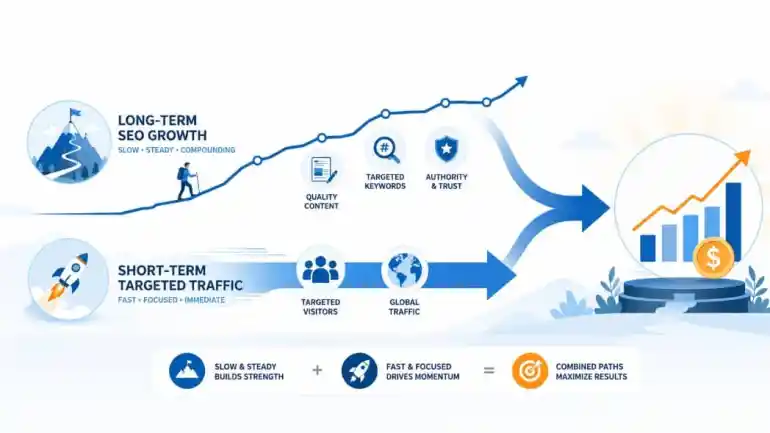
The answer isn’t choosing one over the other—it’s using both strategically.

Evergreen content creates a strong foundation for your website by continuously attracting search traffic and establishing authority. Trending content keeps your brand relevant, helps you participate in current conversations, and boosts engagement across social media.

Businesses that combine both approaches often see the best long-term results.

For example:

  • Publish evergreen blogs every month covering core industry topics.
  • Create trending articles whenever major updates or industry news emerge.

  • Refresh evergreen content regularly with updated statistics, examples, and best practices.

This balanced strategy ensures your website remains valuable today while continuing to perform well in the future.

How Spectra Digital Creates High-Performing Content

At Spectra Digital, we develop content strategies that are built for both immediate impact and sustainable growth.

Our content marketing approach includes:

  • SEO-focused blog writing
  • Keyword research and content planning
  • Evergreen content creation
  • Trending topic analysis
  • Website content optimization
  • Social media content strategy
  • Performance tracking and continuous improvement

Whether your goal is to improve Google rankings, generate qualified leads, or strengthen your brand authority, our team creates content that delivers measurable business results.

Best Practices for a Balanced Content Strategy

To maximize the impact of your content marketing:

  • Build a library of evergreen articles targeting your core services and customer questions.
  • Monitor industry news and publish timely insights on important developments.
  • Update evergreen blogs every 6–12 months to keep them accurate and competitive.
  • Optimize all content with relevant keywords, engaging headlines, and clear calls to action.
  • Promote both evergreen and trending content across your social media channels and email campaigns.

A balanced approach helps you maintain steady traffic while also capitalizing on opportunities created by current trends.

Final Thoughts

Evergreen content and trending content each play an important role in a successful digital marketing strategy. Evergreen content builds long-term authority, improves SEO, and generates consistent traffic, while trending content increases visibility, engagement, and brand relevance.

Rather than viewing them as competing strategies, think of them as complementary tools. Together, they help businesses achieve sustainable growth while staying connected to the latest industry developments.

If you’re looking to create content that ranks, engages, and converts, Spectra Digital can help you develop a strategy that combines the lasting value of evergreen content with the excitement of trending topics ensuring your brand stays visible today and continues growing tomorrow.

Conclusion

A successful content marketing strategy isn’t about choosing between evergreen and trending content it’s about finding the right balance. Evergreen content ensures long-term visibility and authority, while trending content helps your brand stay relevant and capture timely opportunities. By combining both, businesses can enjoy consistent organic traffic, stronger engagement, and sustainable growth. At Spectra Digital, we help brands create content strategies that deliver measurable results today and continue performing well into the future.

Content Marketing Trends in 2026 – AI, Video, SEO, Personalization, and Digital Strategy

Content Marketing Trends in 2026

What Every Business Needs to Know

Content marketing has evolved far beyond publishing blogs and social media posts. In 2026, brands are competing not just for visibility but for attention, trust, and meaningful engagement. As consumer behavior continues to change and AI becomes a core part of digital marketing, businesses need to rethink how they create, distribute, and optimize content.

The brands that succeed are those that deliver personalized, valuable, and engaging content across multiple platforms while maintaining authenticity.

At Spectra Digital, we help businesses build future-ready content strategies that drive traffic, generate leads, and increase conversions. Let’s explore the top content marketing trends shaping 2026.

AI-Powered Content Creation Is Becoming the New Standard

Artificial Intelligence has transformed how marketers create content. Instead of replacing creativity, AI is helping businesses produce high-quality content faster by assisting with research, brainstorming, editing, keyword optimization, and content personalization.

However, businesses should remember that AI-generated content performs best when combined with human creativity, industry expertise, and brand storytelling.

Successful brands use AI to improve efficiency while ensuring every piece of content reflects their unique voice.

How businesses can benefit:

  • Faster content production
  • Better SEO optimization
  • Smarter content planning
  • Improved audience insights
  • Higher productivity for marketing teams
AI-Powered Content Creation Is Becoming the New Standard

Short-Form Video Continues to Dominate

Consumers prefer watching over reading, making short-form video one of the strongest content formats in 2026.

Platforms like Instagram Reels, YouTube Shorts, and TikTok continue to drive massive engagement because they deliver information quickly and entertainingly.

Businesses are using videos for:

  • Product demonstrations
  • Customer testimonials
  • Behind-the-scenes content
  • Educational tips
  • Brand storytelling

Short videos are easier to consume, highly shareable, and often receive significantly higher engagement than static posts.

 Short-Form Video Continues to Dominate

Personalized Content Is No Longer Optional

Modern consumers expect brands to understand their needs.

Generic content is becoming less effective as audiences demand personalized experiences based on their interests, purchase history, browsing behavior, and demographics.

Businesses are increasingly using customer data to create:

  • Personalized email campaigns
  • Dynamic website content
  • Product recommendations
  • Customized landing pages
  • Targeted social media campaigns

Personalized content improves customer satisfaction, engagement, and conversion rates.

 Personalized Content Is No Longer Optional

SEO Is Becoming More User-Focused

Search engines now prioritize content that genuinely helps users rather than simply targeting keywords.

In 2026, successful SEO content focuses on:

  • Answering real customer questions
  • Providing in-depth information
  • Improving readability
  • Demonstrating expertise
  • Delivering a great user experience

Businesses should create content that solves problems instead of simply ranking for keywords.

Long-form, informative, and experience-based content continues to outperform thin articles.

SEO Is Becoming More User-Focused

Interactive Content Is Driving Higher Engagement

Static content is giving way to interactive experiences.

Brands are increasingly using:

  • Polls
  • Quizzes
  • Surveys
  • Calculators
  • Interactive infographics
  • Assessment tools

Interactive content encourages users to spend more time engaging with your brand while providing valuable customer insights.

This trend also improves website engagement metrics, which can positively impact SEO.

Interactive Content Is Driving Higher Engagement

Voice Search Optimization Is Becoming Essential

With smart speakers and voice assistants becoming more common, voice search continues to grow.

People search differently using voice than they do by typing.

Instead of typing:

“Best digital marketing agency Mumbai”

Users ask:

“Which is the best digital marketing agency near me?”

Businesses should optimize content using conversational language, FAQs, and natural sentence structures.

Voice Search Optimization Is Becoming Essential

Authentic Storytelling Builds Stronger Brands

Consumers trust brands that are transparent and relatable.

Instead of aggressive promotional content, businesses are sharing:

  • Customer success stories
  • Employee experiences
  • Company values
  • Behind-the-scenes content
  • Founder journeys

Authentic storytelling helps businesses build emotional connections and long-term customer loyalty.

 Authentic Storytelling Builds Stronger Brands

User-Generated Content Builds Trust

Reviews, testimonials, customer photos, and social media mentions continue to influence purchasing decisions.

Potential customers trust real users more than traditional advertising.

Businesses should encourage customers to:

  • Share reviews
  • Upload product photos
  • Create video testimonials
  • Tag brands on social media
  • Participate in campaigns

User-generated content provides social proof while reducing content creation costs.

 User-Generated Content Builds Trust

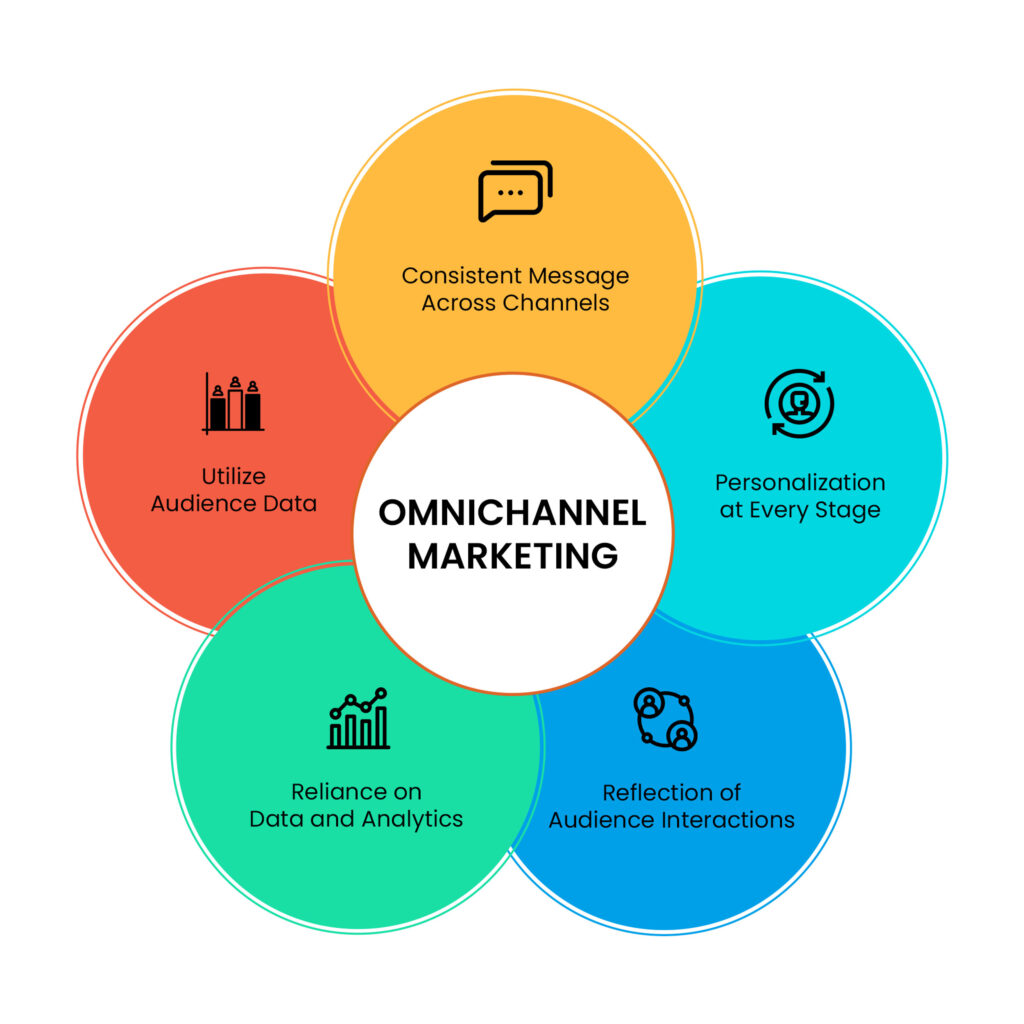
Omnichannel Content Strategy Is the Future

Customers interact with brands across multiple platforms before making a purchase.

A single blog post can become:

  • LinkedIn article
  • Instagram carousel
  • Reel
  • Email newsletter
  • Infographic
  • YouTube video
  • Podcast episode

Repurposing content allows businesses to maximize reach while maintaining consistency across channels.

Omnichannel Content Strategy Is the Future

Data-Driven Content Marketing Wins

Content decisions should no longer rely on guesswork.

Businesses are increasingly using analytics to understand:

  • Which blogs generate leads
  • Which videos retain viewers
  • Which social posts drive engagement
  • Which landing pages convert best
  • Which keywords bring qualified traffic

Tracking content performance helps marketers continuously improve their strategy and achieve better ROI.

 Data-Driven Content Marketing Wins

How Businesses Can Prepare for Content Marketing in 2026

To stay competitive, businesses should focus on creating content that is valuable, relevant, and tailored to their audience.

Key priorities include:

  • Develop a clear content strategy
  • Invest in high-quality video content
  • Leverage AI responsibly
  • Optimize for SEO and voice search
  • Repurpose content across platforms
  • Personalize customer experiences
  • Track performance using analytics
  • Focus on building trust through authentic storytelling

Companies that adapt to these trends will be better positioned to attract, engage, and retain customers in an increasingly competitive digital landscape.

Why Choose Spectra Digital?

At Spectra Digital, we create content strategies that go beyond rankings—we focus on driving measurable business growth. From SEO-optimized blogs and engaging social media content to compelling video campaigns and performance-driven digital strategies, our team helps brands connect with the right audience at the right time.

Whether you’re looking to increase website traffic, improve search visibility, or generate quality leads, Spectra Digital delivers tailored content marketing solutions designed for long-term success.

Final Thoughts

Content marketing in 2026 is centered around delivering value, personalization, and authentic experiences. Businesses that embrace AI, prioritize high-quality content, invest in video, and make data-driven decisions will stand out in a crowded digital landscape.

Rather than chasing every new trend, focus on creating content that solves problems, answers questions, and builds lasting relationships with your audience. A strategic, customer-first approach is what will drive sustainable growth in the years ahead.

If you’re ready to elevate your content marketing strategy, Spectra Digital is here to help you create impactful content that delivers real business results.