
How Tata builds trust across generations through consistency, reliability, strong values, and long-term brand strategy by Spectra Digital

How Tata Builds Trust Across Generations: 6 Remarkable Branding Strategies

How Tata Builds Trust Across Generations is a powerful example of how long-term trust can become one of a brand’s greatest assets.

Many companies focus heavily on getting attention. They chase trends, run campaigns, and compete for clicks. But building trust is different. Trust takes time, consistency, and repeated positive experiences.

Tata has built a strong reputation by creating businesses and brands that have remained familiar to generations of customers. From automobiles and technology to hospitality, consumer products, and other industries, the Tata name is associated with a broader sense of reliability and long-term value.

So, what can businesses learn from the way Tata has built trust over time?

1. Trust Is Built Through Consistency

How Tata builds trust across generations through consistency, reliability, strong values, and long-term brand strategy by Spectra Digital

Customers are more likely to trust brands when they know what to expect.

A strong brand cannot communicate one message today and behave completely differently tomorrow. Over time, consistency between what a business says and what customers experience becomes important.

This applies to:

  • Product and service quality
  • Customer communication
  • Brand messaging
  • Advertising
  • Customer service
  • Digital experience

The lesson for businesses

Your brand promise should be visible across every customer interaction.

Trust grows when customers repeatedly have experiences that match their expectations.

2. A Strong Reputation Is Built Over Time

image

One of the biggest lessons from Tata is that brand trust is not created overnight.

A viral campaign may generate awareness quickly, but trust usually develops through repeated experiences over years.

Businesses often make the mistake of focusing only on immediate results.

While leads and sales are important, every interaction also contributes to long-term brand perception.

Ask yourself:

What will customers remember about our business after working with us?

A positive answer can be more valuable than a short-term marketing campaign.

3. The Brand Stands for More Than Its Products

image

Strong brands often represent something beyond what they sell.

Customers may associate a trusted brand with values, reliability, quality, or a particular type of experience.

This creates a stronger relationship than simply competing on price.

For businesses, the question is:

What do we want people to associate with our brand?

It could be:

  • Reliability
  • Innovation
  • Quality
  • Transparency
  • Simplicity
  • Customer service
  • Expertise

The key is to choose values that your business can consistently demonstrate.

4. Familiarity Creates Confidence

image

People are naturally more comfortable with brands they recognise.

Over time, consistent branding can create familiarity. Familiarity alone does not guarantee trust, but when it is supported by positive customer experiences, it can become a powerful advantage.

This is why businesses should avoid constantly changing their identity without a clear reason.

Your:

  • Logo
  • Brand voice
  • Messaging
  • Visual identity
  • Customer experience

should work together to create a recognisable and consistent presence.

The lesson

Don’t try to become a completely different brand every few months.

Build a clear identity and give customers enough time to remember it.

5. Trust Extends Across Different Generations

image

Building a brand that appeals to different generations requires more than following every trend.

Older customers may value familiarity and reliability, while younger audiences may expect digital convenience, speed, and modern communication.

A strong long-term brand can balance these expectations.

The core values remain consistent, while the way the brand communicates and delivers experiences can evolve.

What businesses can learn

Keep your values stable, but adapt your communication.

Your brand does not need to abandon its identity to stay relevant.

Instead, evolve the platforms, content, technology, and customer experience around a strong core.

6. Every Customer Experience Affects Trust

image

Advertising can create expectations.

But the actual customer experience determines whether those expectations are fulfilled.

A great marketing campaign cannot build lasting trust if the:

  • Website is confusing
  • Product experience is poor
  • Customer support is unresponsive
  • Communication is inconsistent
  • Brand promises are not delivered

Trust is built when marketing and reality match.

This is an important lesson for every business investing in digital marketing.

Your advertisements may bring customers to your business, but their experience determines whether they return.

Common Mistakes That Damage Brand Trust

Businesses can unintentionally weaken trust when they:

  • Make promises they cannot deliver
  • Use misleading marketing
  • Provide inconsistent customer experiences
  • Change their brand messaging constantly
  • Ignore customer feedback
  • Focus only on short-term sales
  • Make it difficult for customers to get information or support

Trust can take years to build but can weaken quickly when customer expectations are repeatedly ignored.

How Spectra Digital Helps Businesses Build Trust Online

At Spectra Digital, we help businesses create digital marketing strategies that focus on visibility, consistency, and long-term growth.

Our services include:

We help businesses create stronger digital experiences that support brand credibility and make it easier for potential customers to trust and engage with them.

Final Thoughts

How Tata Builds Trust Across Generations shows that powerful branding is not always about being the loudest brand in the room.

Long-term trust comes from consistency, clear values, familiarity, and delivering experiences that support what the brand promises.

The biggest lesson for businesses is simple:

Marketing can get attention, but trust is what keeps customers coming back.

By building a consistent brand and creating positive experiences across every customer touchpoint, businesses can create something more valuable than short-term visibility: long-term customer confidence.

If you want to build a stronger digital presence and a brand that customers recognise and trust, Spectra Digital can help you create a strategy focused on sustainable business growth.
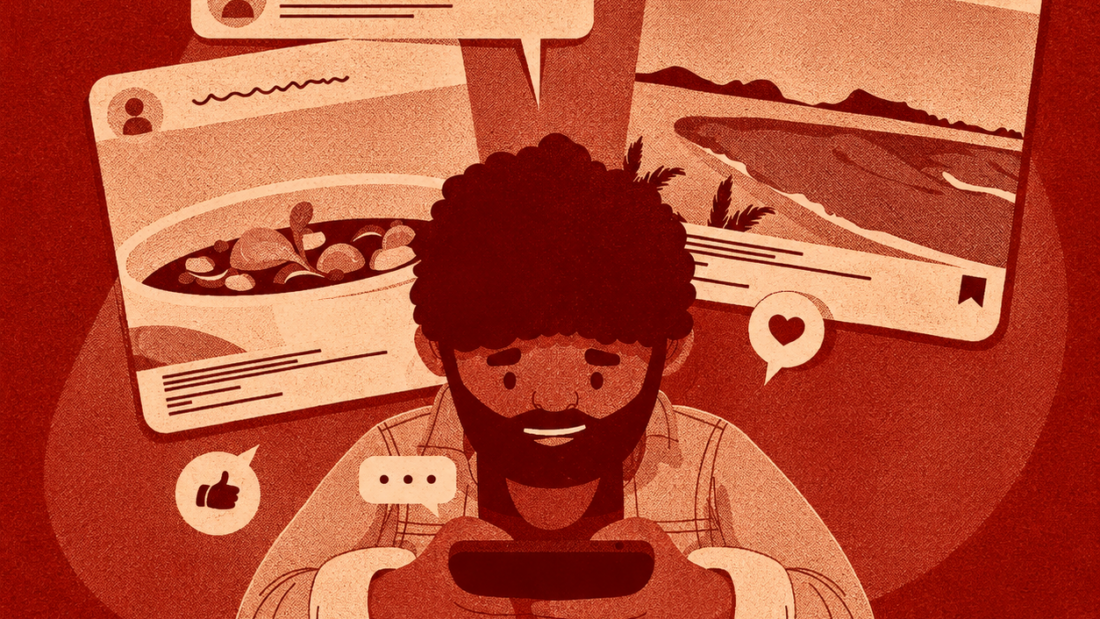

Why people trust influencers more than brands and how influencer marketing builds consumer confidence by Spectra Digital

Why Do We Trust Influencers More Than Brands? 8 Proven Reasons

Why Do We Trust Influencers More Than Brands? It’s a question that has become increasingly relevant in the age of social media. Millions of people follow influencers for product recommendations, lifestyle advice, and honest opinions. In many cases, a single influencer’s recommendation can have a greater impact on purchasing decisions than a traditional advertisement from a well-known brand.

This shift isn’t accidental. It’s rooted in psychology, authenticity, and the way people build trust online.

In this guide, Spectra Digital explores why influencer marketing is so effective and how businesses can use it to build credibility, reach the right audience, and drive meaningful results.

The Rise of Influencer Marketing

image

Social media has transformed how consumers discover products and services.

Instead of relying only on TV commercials or banner ads, people now look to creators on platforms like Instagram, YouTube, TikTok, and LinkedIn for recommendations.

Influencers have become trusted voices because they often share personal experiences, answer questions, and interact directly with their followers.

1. People Trust People More Than Companies

image

Consumers naturally trust recommendations from individuals more than messages created by brands.

When an influencer shares their experience with a product, it often feels like advice from a friend rather than a sales pitch.

This personal connection makes influencer content more relatable and believable.

2. Authenticity Builds Credibility

image

The most successful influencers share both positive experiences and honest opinions.

They show real-life situations, behind-the-scenes moments, and personal stories, making their content feel genuine.

Authenticity is one of the biggest reasons followers continue to trust their recommendations.

3. Influencers Build Communities

image

Unlike brands that often communicate one-way, influencers create conversations.

They:

  • Reply to comments
  • Answer direct messages
  • Conduct live sessions
  • Ask for audience feedback
  • Share user experiences

These interactions strengthen relationships and increase trust over time.

4. Social Proof Influences Decisions

image

When thousands of people like, comment on, or share an influencer’s content, it creates powerful social proof.

Consumers often assume that if many others trust an influencer, the recommendation is worth considering.

This psychological effect can significantly influence buying behavior.

5. Influencers Understand Their Audience

image

Successful influencers know exactly what their audience wants.

They create content that aligns with their followers’ interests, challenges, and aspirations.

Because their recommendations are highly relevant, engagement rates are often much higher than traditional advertising.

6. Storytelling Makes Products Memorable

image

Instead of simply listing product features, influencers tell stories.

For example, rather than saying a skincare product is effective, they may document their skincare journey over several weeks.

Stories create emotional connections and make recommendations more memorable.

7. Consistency Creates Trust

image

Trust isn’t built overnight.

Influencers post consistently, allowing followers to become familiar with their personality, values, and communication style.

This familiarity makes product recommendations feel more natural.

8. Niche Influencers Have Stronger Connections

image

Many businesses assume bigger influencers always deliver better results.

However, micro and niche influencers often have:

  • Higher engagement rates
  • More loyal audiences
  • Greater credibility
  • Better audience targeting

For many businesses, partnering with smaller creators can generate better ROI.

Can Brands Build the Same Level of Trust?

Absolutely.

Businesses can earn trust by adopting some of the same strategies that make influencers successful.

These include:

  • Sharing authentic stories
  • Publishing educational content
  • Responding to customer questions
  • Showcasing customer testimonials
  • Being transparent about products and services
  • Building a consistent online presence

People connect with brands that feel human.

Common Mistakes Businesses Make with Influencer Marketing

Many campaigns fail because businesses:

  • Choose influencers based only on follower count
  • Ignore audience relevance
  • Over-control the content
  • Focus on sales instead of relationships
  • Fail to measure campaign performance

Successful influencer partnerships prioritize authenticity over promotion.

The Future of Influencer Marketing

image

Influencer marketing continues to evolve.

Key trends include:

  • Long-term brand partnerships
  • AI-powered influencer discovery
  • Growth of micro-influencers
  • Video-first content
  • User-generated content campaigns
  • Performance-based influencer marketing

Businesses that adapt to these trends can build stronger customer relationships and achieve better marketing results.

How Spectra Digital Helps Businesses Leverage Influencer Marketing

At Spectra Digital, we help businesses create influencer marketing strategies that generate awareness, engagement, and measurable business growth.

Our services include:

  • Influencer identification
  • Campaign strategy
  • Performance marketing
  • Content collaboration
  • Social media marketing
  • Campaign analytics
  • ROI tracking

We focus on connecting brands with influencers whose audiences genuinely align with business goals.

Final Thoughts

People trust influencers more than brands because influencers feel relatable, authentic, and accessible. They build relationships through consistent communication, storytelling, and genuine engagement.

However, businesses don’t have to compete with influencers—they can learn from them.

By creating authentic content, building trust, and partnering with the right creators, brands can strengthen customer relationships and drive long-term growth.

If you’re ready to launch an influencer marketing campaign that delivers real results, Spectra Digital can help you connect with the right creators and maximize your return on investment.