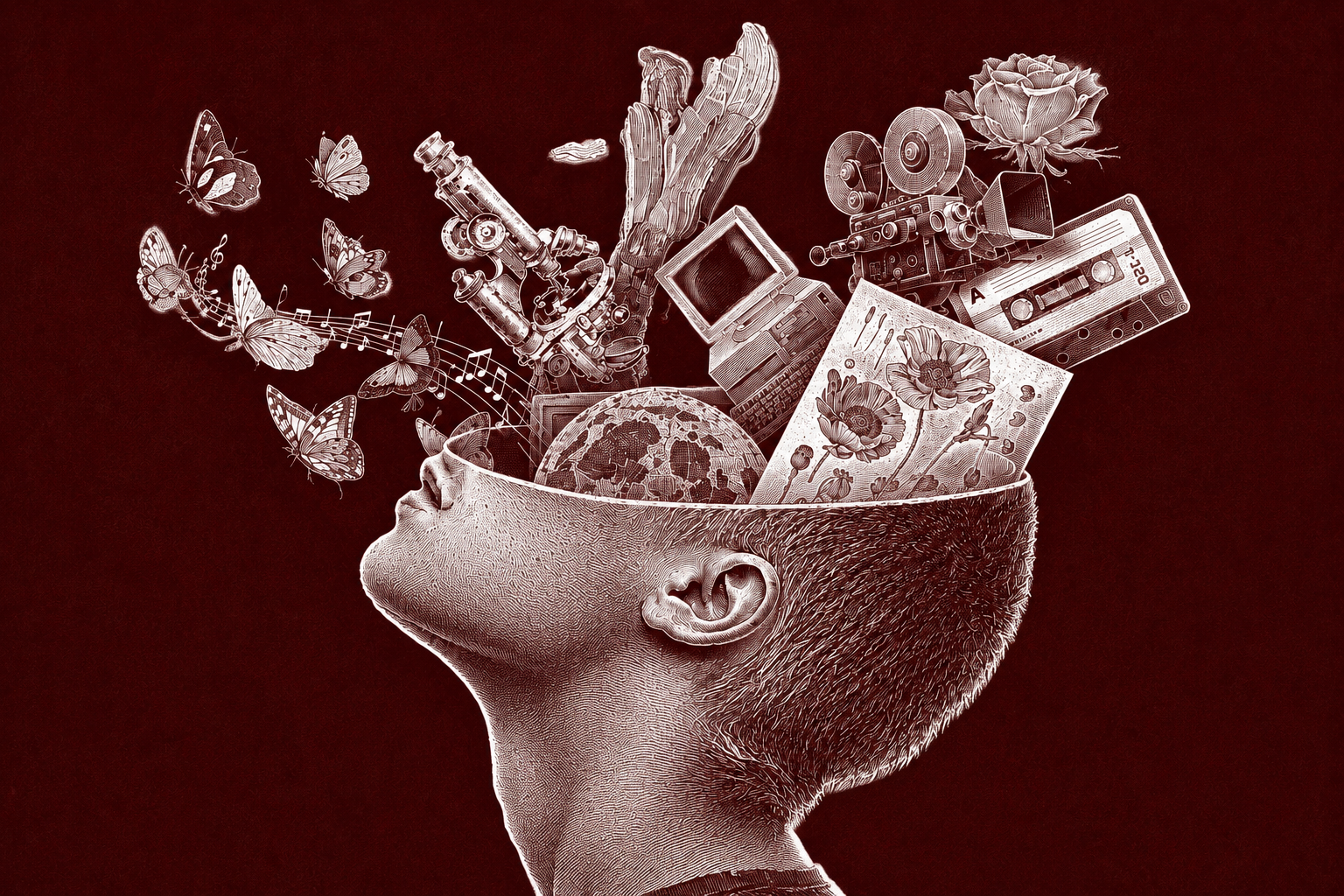
Your logo isn't your brand and how customer experience, trust, positioning, and consistency build a strong brand

Your Logo Isn’t Your Brand: 5 Critical Branding Truths

Your Logo Isn’t Your Brand.

It may be one of the most visible parts of your business, but it is only one piece of a much bigger picture.

A logo can identify your company.

But it cannot, by itself, create trust.

It cannot guarantee a great customer experience.

It cannot make people recommend your business.

And it certainly cannot determine how customers feel about you.

Your brand is the collection of experiences, emotions, expectations, associations, and perceptions people have when they interact with your business.

Your logo is simply one visual representation of that identity.

Here are 5 critical branding truths every business should understand.

1. Your Brand Lives in Your Customer’s Mind

image

You control your logo.

You control your colours.

You control your website design.

But you don’t completely control your brand.

Your customers help define it through their experiences.

Think about a company you trust.

What comes to mind?

It might be:

  • Great customer service
  • Reliable products
  • Premium quality
  • Affordable pricing
  • Fast delivery
  • Innovation
  • Friendly communication

Those associations are part of the brand.

The lesson

Don’t ask only:

“Does our brand look good?”

Ask:

“What do customers think and feel when they interact with us?”

That’s a much more important branding question.

2. Customer Experience Is Part of Your Brand

image

Imagine a business with a beautiful logo, premium website, and sophisticated social media presence.

Then imagine:

  • Slow responses
  • Confusing communication
  • Poor service
  • Late deliveries
  • Difficult returns
  • Unhelpful support

The visual identity might look premium.

The actual brand experience isn’t.

That’s because branding doesn’t stop when someone leaves your Instagram page.

It continues through every interaction.

Website → Enquiry → Purchase → Delivery → Support → Follow-up

Every touchpoint contributes to brand perception.

What businesses can learn

Your customer experience should match the promise your branding makes.

If you position yourself as premium, the experience should feel premium.

If you position yourself as friendly, your communication should feel friendly.

Your brand promise and customer experience need to match.

3. Consistency Makes Brands Recognisable

image

Strong brands don’t reinvent themselves every week.

They create recognizable patterns.

This can include:

  • Visual identity
  • Tone of voice
  • Content style
  • Messaging
  • Colours
  • Typography
  • Photography
  • Customer communication

Consistency helps customers recognise your business across different platforms.

Imagine seeing a social media post without the logo.

Could you still guess which brand created it?

If yes, the brand probably has a strong identity.

The lesson

Consistency doesn’t mean making every post identical.

It means maintaining a recognisable identity while allowing your content to evolve.

Recognition builds familiarity, and familiarity can build trust.

4. Your Brand Is More Than What You Sell
image

Two companies can sell similar products but have completely different brands.

Why?

Because customers aren’t only buying the product.

They’re also buying:

  • Convenience
  • Confidence
  • Status
  • Experience
  • Identity
  • Trust
  • Belonging

Consider a premium coffee brand.

It isn’t simply selling coffee.

It may be selling an experience.

A fitness brand isn’t simply selling workouts.

It may be selling confidence and transformation.

A marketing agency isn’t simply selling campaigns.

It may be selling growth, expertise, and peace of mind.

What businesses can learn

Don’t define your brand only by your product.

Ask:

“What are customers really buying from us?”

The answer can reveal your strongest brand positioning opportunity.

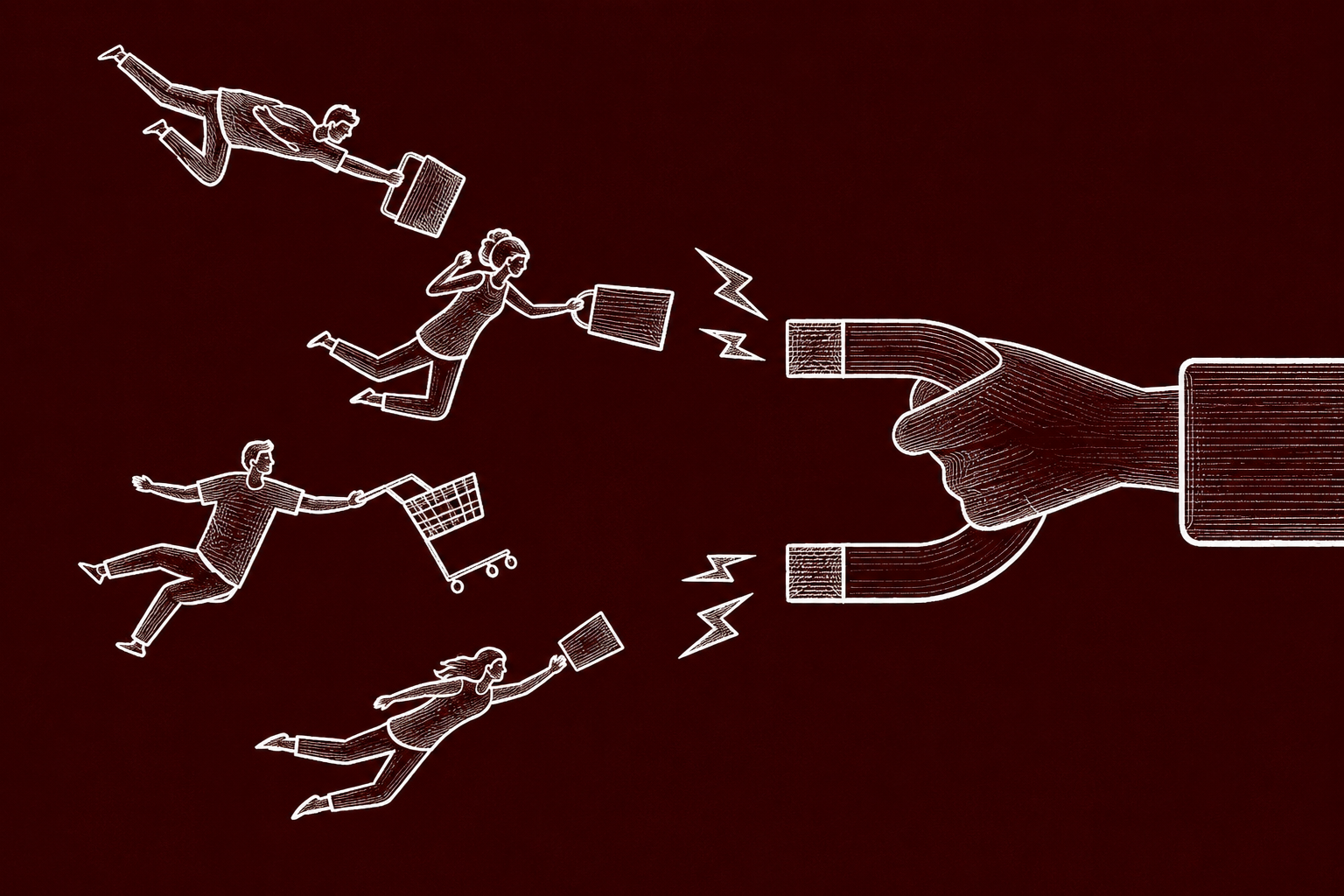
5. A Strong Brand Is Built Through Every Interaction
image
image

Branding isn’t something you finish once the logo is approved.

It is built continuously.

Every:

  • Advertisement
  • Social media post
  • Email
  • Sales call
  • Website interaction
  • Customer review
  • Product experience
  • Support conversation

can strengthen or weaken your brand.

That’s why branding should be treated as an ongoing business strategy.

The lesson

Don’t think:

“We need a new logo.”

Think:

“We need a stronger brand experience.”

Sometimes a visual refresh is necessary.

But sometimes the real problem is messaging, positioning, content, service, or customer experience.

Logo vs Brand

Understanding the difference is important.

LogoBrand
Visual identifierOverall perception
Designed by the businessShaped by customer experiences
Represents the companyRepresents what people believe about it
One visual elementMultiple touchpoints
Can be redesignedEvolves continuously
Creates recognitionCreates meaning and trust

Your logo is part of your brand.

It isn’t the entire brand.

Why Businesses Obsess Over Logos

A logo is easy to see.

That’s why businesses often spend weeks debating:

  • Fonts
  • Colours
  • Shapes
  • Icons
  • Spacing

These things matter.

But they’re only one part of the equation.

It’s much harder to measure:

“How does our customer feel about us?”

Yet that question can be far more important.

A beautiful logo attached to a forgettable experience won’t create a powerful brand.

A simple logo attached to an exceptional experience can become incredibly memorable.

What Makes a Strong Brand?

image

A strong brand usually combines several elements:

Clear Positioning

Customers should understand what makes you different.

Consistent Identity

Your communication should feel recognisable across channels.

Strong Messaging

Your brand should communicate a clear and compelling idea.

Emotional Connection

People should have a reason to care beyond the product itself.

Great Customer Experience

The actual experience should deliver on the brand promise.

Trust

Consistent delivery over time creates credibility.

When these elements work together, your logo becomes more meaningful because customers associate it with everything the brand represents.

Common Branding Mistakes Businesses Make

Many businesses focus too heavily on visual identity while ignoring the bigger picture.

Common mistakes include:

  • Changing logos too frequently
  • Copying competitor branding
  • Focusing only on colours and fonts
  • Having inconsistent messaging
  • Trying to appeal to everyone
  • Making generic brand promises
  • Ignoring customer experience
  • Treating branding as a one-time project

A brand isn’t created in a design file.

It’s created through repeated experiences.

How Small Businesses Can Build a Stronger Brand

You don’t need a massive budget to build a recognisable brand.

Start with five questions:

1. Who are we for?

Define your ideal customer.

2. What problem do we solve?

Be specific.

3. What makes us different?

Identify your strongest point of differentiation.

4. How should customers feel?

Choose the emotions you want your brand to create.

5. What should people remember?

Create one clear idea you want associated with your business.

Once these answers are clear, your visual identity, content, messaging, and customer experience can work together.

How Spectra Digital Helps Businesses Build Brands

At Spectra Digital, we believe branding goes far beyond creating a logo.

A strong brand needs a clear strategy behind it.

We help businesses develop and strengthen their digital presence through:

  • Brand strategy
  • Social media marketing
  • Content marketing
  • Performance marketing
  • Paid advertising
  • Search Engine Optimization (SEO)
  • Website design
  • Lead generation
  • Conversion optimisation
  • Marketing analytics

Our goal is to help businesses build brands that are not only visually recognisable but also meaningful, consistent, and memorable.

Final Thoughts

Your Logo Isn’t Your Brand.

Your logo can help people recognise you.

But your brand determines what they remember, believe, and feel about your business.

A strong brand is built through positioning, messaging, consistency, customer experience, and trust.

So before asking:

“Does our logo look good?”

ask the more important question:

“What does our brand mean to our customers?”

Because a logo can get you recognised.

A strong brand gives people a reason to remember you.

The Psychology of ₹99, ₹499 and ₹999 Pricing

The Psychology of ₹99, ₹499 and ₹999 Pricing: 5 Powerful Secrets Behind “Affordable” Prices

The Psychology of ₹99, ₹499 and ₹999 Pricing reveals an important truth about consumer behaviour: customers don’t always evaluate prices based purely on mathematics.

₹99 doesn’t feel exactly the same as ₹100.

₹499 can feel noticeably cheaper than ₹500.

And ₹999 can appear significantly more affordable than ₹1,000.

The actual difference is tiny.

But the perceived difference can be much larger.

This is the foundation of pricing psychology, the practice of presenting prices in ways that influence how customers perceive value, affordability, and purchasing decisions.

For businesses, understanding this psychology can help create pricing strategies that feel clearer and more compelling.

Here are 5 powerful pricing lessons behind prices such as ₹99, ₹499, and ₹999.

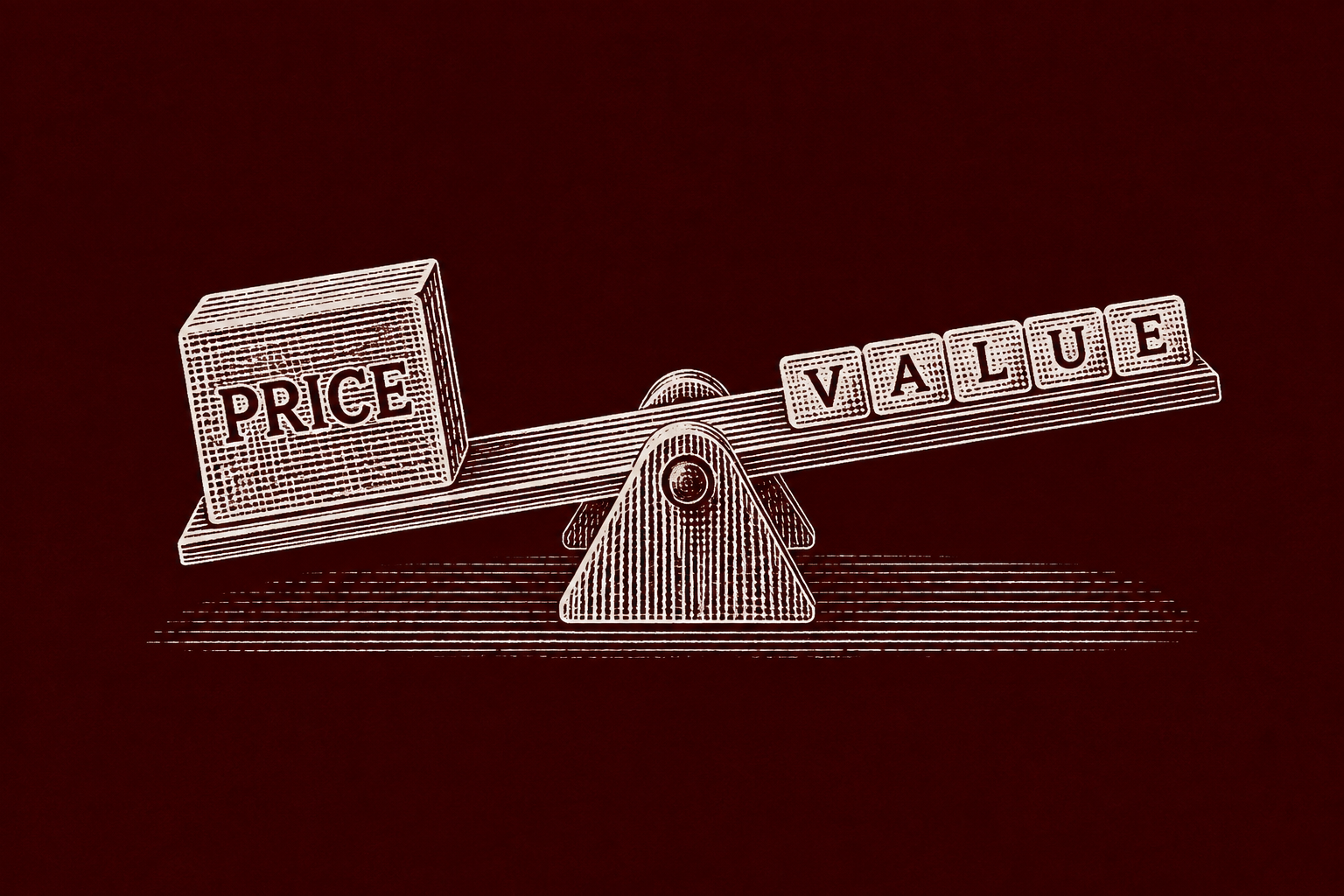
1. ₹99 Feels Cheaper Than ₹100

image

This is one of the most familiar examples of pricing psychology.

When customers see:

₹99

their brain may process the first digit—9—as being meaningfully lower than:

₹100

Even though the difference is only ₹1.

This is often called charm pricing or psychological pricing.

The technique is widely used in retail, e-commerce, food delivery, subscriptions, and other consumer businesses.

Why it works

People don’t always process prices as perfectly precise mathematical values.

They use shortcuts when making everyday decisions.

Seeing ₹99 can create the impression of a bargain or a lower price point.

What businesses can learn

If your product competes heavily on affordability, prices ending in 9 can sometimes make the offer feel more accessible.

But pricing should still match your brand positioning.

A premium brand may benefit from a different pricing approach.

2. ₹499 Creates a Stronger Perception of Value

image

Consider these two prices:

₹499

₹500

The numerical difference is just ₹1.

But psychologically, ₹499 can feel like it belongs to a different price category.

This is especially noticeable when customers compare multiple products.

For example:

  • Product A — ₹499
  • Product B — ₹799
  • Product C — ₹1,199

The customer immediately sees a clear price hierarchy.

Pricing therefore doesn’t just communicate cost.

It can also communicate relative value.

The lesson

Customers rarely evaluate a price in complete isolation.

They compare it with:

  • Competitors
  • Alternatives
  • Previous prices
  • Other products
  • Discounts
  • Product features

That’s why your pricing strategy should consider the entire competitive environment.

3. ₹999 Makes ₹1,000 Feel Like a Bigger Psychological Jump

image

The difference between ₹999 and ₹1,000 is only ₹1.

Yet many businesses deliberately use ₹999 because it keeps the displayed price below the ₹1,000 threshold.

This is an example of a left-digit effect.

The first digit can influence how people mentally categorise a price.

Compare:

₹999

with:

₹1,000

The second price immediately moves into the four-digit category.

For some customers, that can make the product feel more expensive.

What businesses can learn

Price thresholds matter.

Customers may mentally group products into categories such as:

  • Under ₹100
  • Under ₹500
  • Under ₹1,000
  • Under ₹5,000
  • Under ₹10,000

Understanding these thresholds can help businesses structure product pricing more strategically.

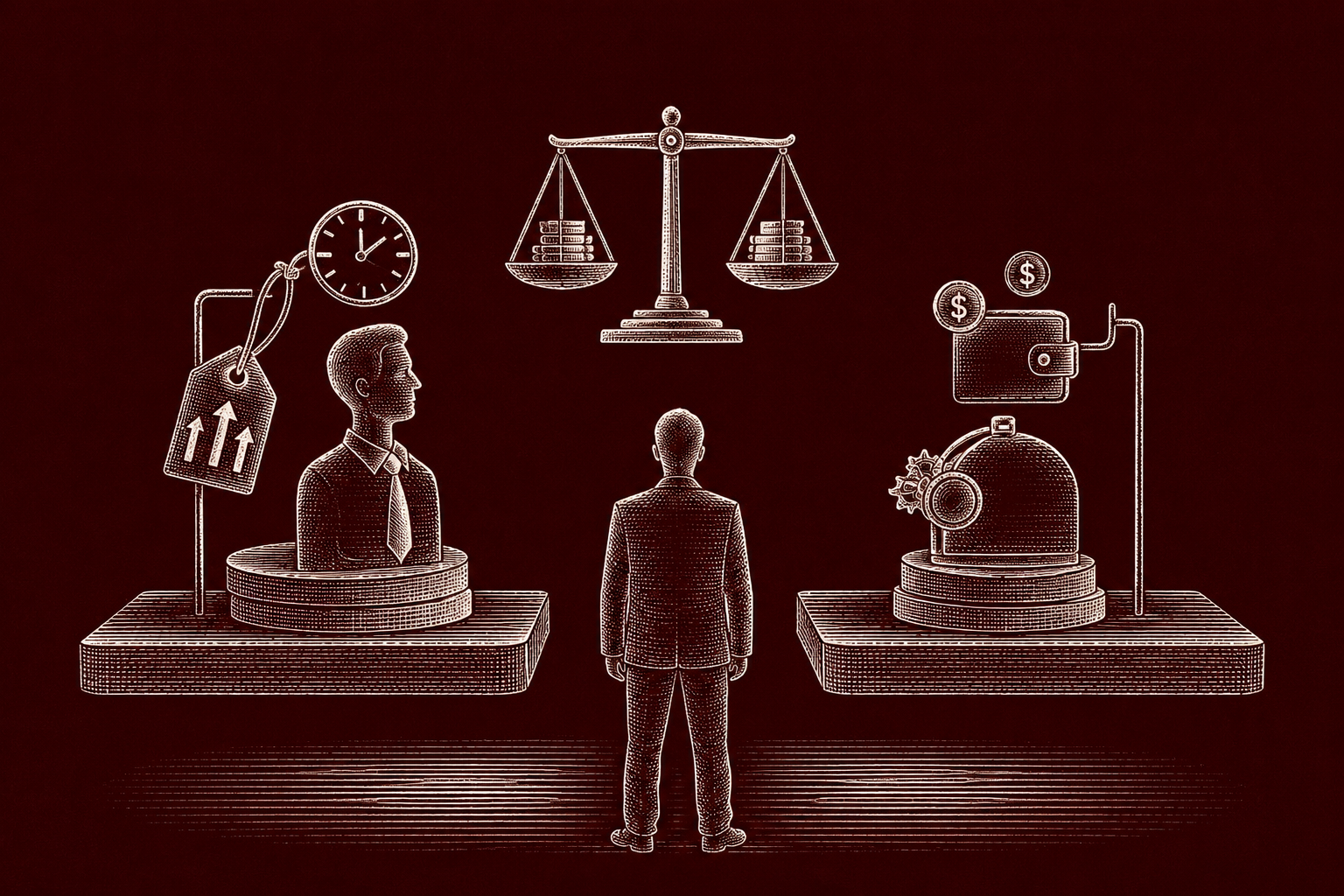
4. The Price You Show First Can Change Perceived Value

image

Pricing psychology isn’t only about ending a price with 9.

The comparison price can also influence how customers perceive an offer.

Imagine seeing:

Premium Plan — ₹2,999

followed by:

Standard Plan — ₹999

The ₹999 option may suddenly feel more affordable.

But if you only see:

Standard Plan — ₹999

without any comparison, your perception may be different.

This is known as anchoring.

The first relevant number people encounter can influence how they evaluate subsequent prices.

The lesson

Businesses can use pricing tiers to create context.

For example:

Basic — ₹499
Professional — ₹999
Premium — ₹1,999

The options help customers understand the relative value of each package.

But the differences between tiers should be genuine.

The goal isn’t to manipulate customers.

It’s to make the value structure easier to understand.

5. Pricing Should Match Your Brand Positioning

image

Here’s where businesses need to be careful.

₹99, ₹499, and ₹999 aren’t automatically better prices.

Their effectiveness depends on your product, audience, category, and positioning.

A discount-focused brand may benefit from:

₹499 instead of ₹500

But a luxury brand may prefer:

₹5,000 instead of ₹4,999

Why?

Because premium brands often want prices to communicate quality, confidence, exclusivity, and simplicity rather than bargain positioning.

The lesson

The right price isn’t just about psychology. It’s about positioning.

Ask:

“What should our price make customers feel?”

Affordable?

Premium?

Exclusive?

Accessible?

Professional?

High-value?

Your pricing should reinforce that perception.

Why Customers Don’t Always Think Rationally About Price

If customers were perfectly rational, ₹999 and ₹1,000 would feel almost identical.

But purchasing decisions involve more than mathematics.

Customers also consider:

  • Emotions
  • Perceived value
  • Brand reputation
  • Social proof
  • Convenience
  • Scarcity
  • Comparison
  • Previous experiences
  • Expectations

This is why two products with similar production costs can have completely different prices.

The customer isn’t simply paying for the physical product.

They’re paying for the perceived value surrounding it.

Pricing Psychology Isn’t About Trickery

image

It’s important to understand the difference between persuasion and deception.

Using ₹999 instead of ₹1,000 isn’t necessarily misleading.

But businesses should avoid:

  • Fake discounts
  • Inflated original prices
  • Hidden fees
  • Misleading “limited-time” offers
  • Artificial scarcity
  • Unclear subscription terms

Short-term psychological tactics can generate purchases.

But trust determines whether customers come back.

Good pricing psychology makes value easier to understand.

Bad pricing psychology makes customers feel manipulated.

How Businesses Can Use Pricing Psychology

Create Clear Price Tiers

Instead of offering ten confusing options, create a few packages with clear differences.

For example:

Starter → Growth → Premium

Make the value of moving between tiers obvious.

Use Strategic Price Points

Test whether your audience responds differently to:

₹499 vs ₹500

or:

₹999 vs ₹1,000

Don’t assume. Measure.

Show Value Alongside Price

Instead of displaying only:

₹999

explain what customers receive for that amount.

For example:

₹999 — Includes consultation, strategy report, and 30-day support.

Price becomes easier to evaluate when value is visible.

Understand Your Customer

Different audiences respond differently to pricing.

A budget-conscious customer may focus heavily on price.

A premium customer may care more about quality, expertise, exclusivity, and results.

Your pricing strategy should reflect the customer you’re trying to attract.

Common Pricing Mistakes Businesses Make

Many businesses make pricing decisions based purely on cost.

They calculate:

Cost + Margin = Price

But pricing can be more strategic than that.

Other mistakes include:

  • Copying competitors without understanding positioning
  • Offering too many pricing options
  • Discounting too frequently
  • Focusing only on being cheap
  • Hiding important costs
  • Ignoring perceived value
  • Never testing price points
  • Using discount tactics that damage brand perception

The goal isn’t always to have the lowest price.

The goal is to communicate strong value for the right audience.

How Spectra Digital Helps Businesses Build Better Offers

At Spectra Digital, we understand that effective marketing doesn’t stop at attracting attention.

The offer itself needs to communicate clear value.

Our digital marketing services include:

  • Performance marketing
  • Social media marketing
  • Content marketing
  • Paid advertising
  • Search Engine Optimization (SEO)
  • Lead generation
  • Website design
  • Conversion optimisation
  • Marketing analytics
  • Brand strategy

We help businesses strengthen their digital presence, communicate value clearly, and build marketing strategies designed to turn attention into action.

Final Thoughts

The Psychology of ₹99, ₹499 and ₹999 Pricing shows that pricing is about more than numbers.

A ₹999 price may feel different from ₹1,000.

₹499 may feel more accessible than ₹500.

And the price you show first can influence how customers evaluate everything that comes after it.

But the most important lesson is this:

Don’t choose a price simply because it looks psychologically appealing. Choose a price that supports your value, positioning, audience, and business goals.

Because the best pricing strategy doesn’t just make a product look cheaper.

It makes the value feel right.

How Crocs went from ugly to a cultural icon through distinctive branding, collaborations, customisation, and cultural relevance by Spectra Digital

How Crocs Went From “Ugly” to Cultural Icon: 5 Brilliant Branding Moves

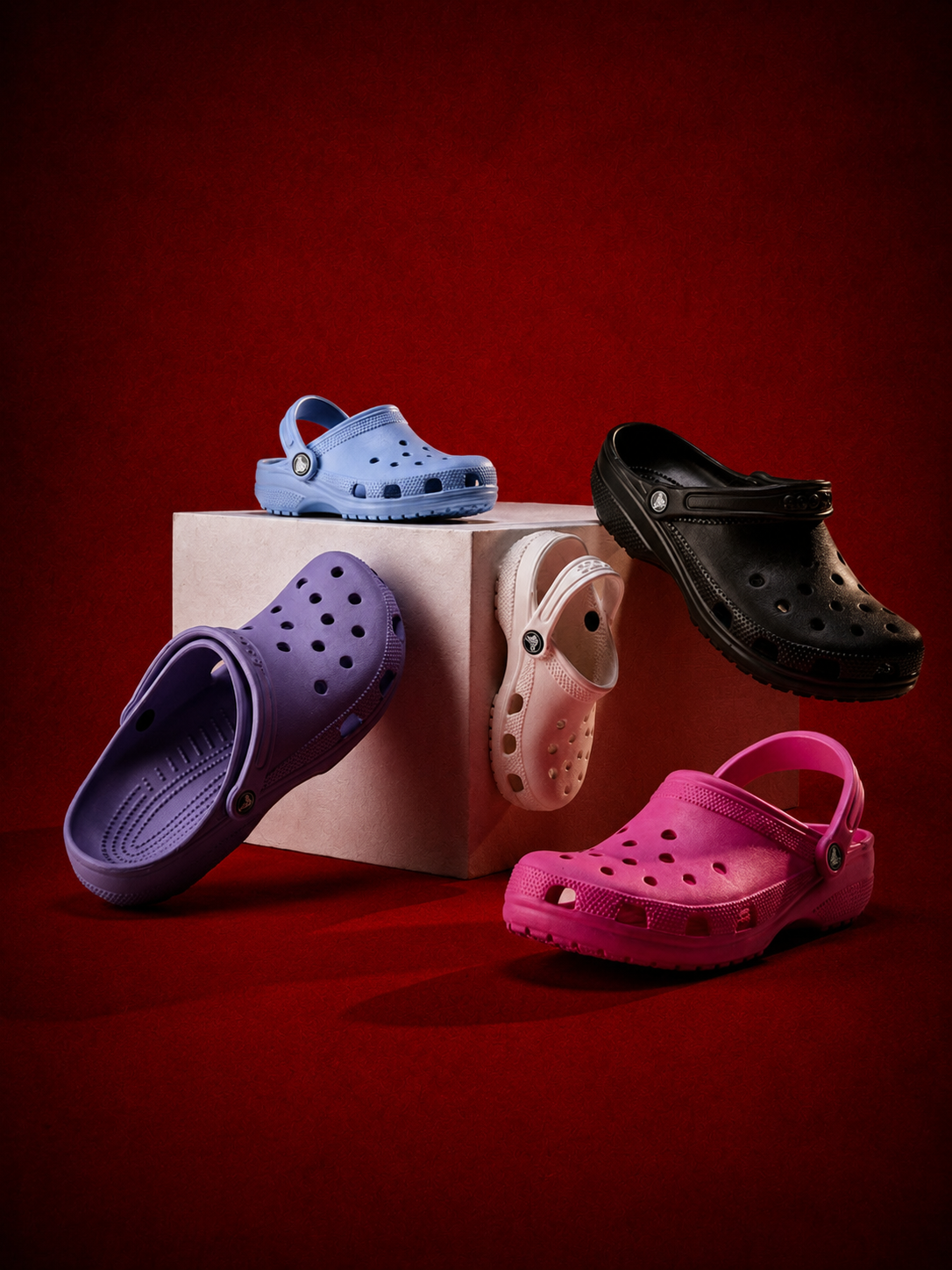
How Crocs Went From “Ugly” to Cultural Icon is a fascinating example of how a brand can turn criticism into an advantage.

For years, Crocs was known for a design that many people considered unusual, awkward, and, quite simply, ugly. But instead of completely changing its identity to fit traditional ideas of fashion, the brand leaned into what made it different.

Today, Crocs is more than just a comfortable shoe. It has become a recognisable part of fashion, internet culture, collaborations, and self-expression.

So, how did Crocs transform something people loved to criticise into a cultural icon?

Here are 5 brilliant branding moves businesses can learn from.

1. Crocs Didn’t Try to Be Everyone’s Idea of Beautiful

How Crocs Went From "Ugly" to Cultural Icon

One of the biggest mistakes brands can make is trying too hard to appeal to everyone.

Crocs had a distinctive design. Instead of hiding from the criticism or completely redesigning itself to look like every other shoe, the brand embraced its uniqueness.

Its appearance became part of the conversation.

That created something valuable: distinctiveness.

People might have had different opinions about Crocs, but they could recognise them instantly.

What businesses can learn

Being different can sometimes be more valuable than trying to look perfect.

Ask yourself:

  • What makes our brand different?
  • Are we hiding that difference to look like competitors?
  • Could our biggest point of difference actually become our biggest strength?

A brand does not always need universal approval.

Sometimes, being memorable is the first step towards becoming desirable.

2. Comfort Became a Clear Reason to Buy

image

Being different gets attention, but a brand still needs to offer real value.

Crocs had a clear product benefit: comfort and practicality.

This gave customers a reason to look beyond appearance.

The combination of an unusual design and a clear functional benefit helped create a strong identity.

The lesson for businesses

Marketing can attract attention, but the product experience gives customers a reason to stay.

A strong brand needs both:

Attention + real value

Your business should be able to answer two questions:

Why should people notice us?
and
Why should they choose us?

3. Collaborations Changed How People Saw the Brand

image

One of the most effective ways for a brand to change perception is through association.

When a brand collaborates with influential designers, celebrities, artists, or cultural names, it can enter new conversations and reach new audiences.

Crocs used collaborations to move beyond its original identity.

The product remained recognisable, but the context around it changed.

What was once seen only as practical footwear could now be viewed as:

  • Fashion
  • Collectible culture
  • Self-expression
  • Limited-edition design
  • Pop culture

What businesses can learn

Strategic collaborations can help a brand reach audiences that may not have paid attention before.

But the best partnerships do more than generate publicity.

They should introduce your brand into a new and relevant cultural space.

4. Crocs Turned Customisation Into Self-Expression

image

One of the reasons products become part of culture is that people start making them their own.

Crocs allowed customers to personalise their footwear and express their personalities.

Instead of every customer owning exactly the same product, customisation created more opportunities for individuality.

This helped transform the product from something people simply wore into something they could use to express themselves.

The lesson for businesses

People often value brands that allow them to participate.

Think about ways your customers can:

  • Personalise the experience
  • Share their own creativity
  • Create content around your product
  • Become part of the brand story

When customers participate in a brand, they can become more emotionally connected to it.

5. Being Talked About Became Part of the Strategy

image

Not every brand conversation needs to be completely positive to create awareness.

Crocs became a product that people had opinions about.

Some loved them. Some disliked them. Others joked about them.

But almost everyone recognised them.

This created a powerful form of visibility.

The brand was not invisible.

And over time, being different became part of its appeal.

What businesses can learn

Trying to avoid every possible criticism can make a brand safe—but forgettable.

This does not mean businesses should intentionally create negative reactions.

It means brands should not be afraid to have a clear identity.

A strong point of view may attract some people and turn away others. That is often better than being irrelevant to everyone.

From Product to Cultural Icon

Crocs demonstrates that products can become culturally significant when people start talking about them beyond their basic function.

A shoe is no longer just a shoe when it becomes connected to:

  • Fashion
  • Identity
  • Internet culture
  • Celebrity influence
  • Creativity
  • Community
  • Self-expression

The product becomes part of a larger conversation.

That is where strong branding can create enormous value.

The Difference Between Being Popular and Being Culturally Relevant

A popular product may sell well today.

A culturally relevant brand becomes part of conversations.

People:

  • Share it
  • Talk about it
  • Create content around it
  • Joke about it
  • Wear it as self-expression
  • Connect it with specific communities or moments

This kind of relevance is difficult to create through advertising alone.

It often happens when a brand understands how people want to interact with it.

Common Branding Mistakes Businesses Should Avoid

Many businesses become forgettable because they:

  • Copy every competitor
  • Change their identity too frequently
  • Try to appeal to everyone
  • Focus only on short-term trends
  • Have no clear brand personality
  • Create marketing that gets attention but communicates no value

The goal should not be to become strange for the sake of being different.

The goal is to become distinctive, relevant, and valuable.

How Spectra Digital Helps Businesses Build Distinctive Brands

At Spectra Digital, we help businesses develop digital marketing strategies that combine strong brand identity with measurable business goals.

Our services include:

We help businesses identify what makes them different and turn that into marketing, content, and digital experiences that attract the right audience.

Final Thoughts

How Crocs Went From “Ugly” to Cultural Icon shows that successful branding does not always come from trying to be perfect.

Sometimes, the things that make a product different are the very things that make it memorable.

Crocs didn’t need to become like every other shoe brand.

Instead, it embraced its distinct identity, focused on product value, entered new cultural conversations, and gave customers ways to make the product their own.

The biggest lesson for businesses is simple:

Don’t hide what makes your brand different. Find the right audience and give them a reason to care about it.

If your business wants to build a stronger brand identity and create marketing that helps you stand out in a crowded market, Spectra Digital can help turn your unique strengths into a strategy for long-term growth.